
 HDThe Social Network2010 · ★ 7.4
HD
Hugo
View filmFlixtrz
171 films from 2000 to 2011, each with its cast, its director and a Watch now button.
Top rated
Films that score seven or more
HDThe Social Network2010 · ★ 7.4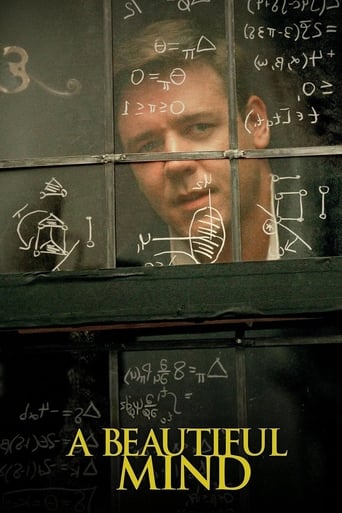 HDA Beautiful Mind2001 · ★ 7.9
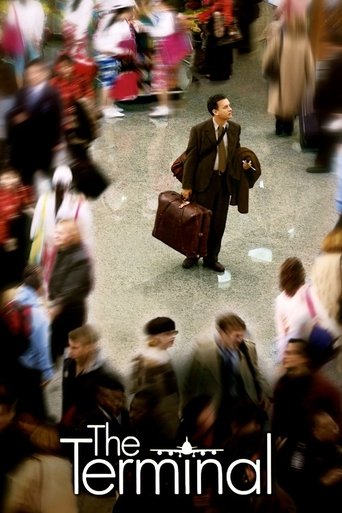 HDThe Terminal2004 · ★ 7.4
 HDLittle Miss Sunshine2006 · ★ 7.7
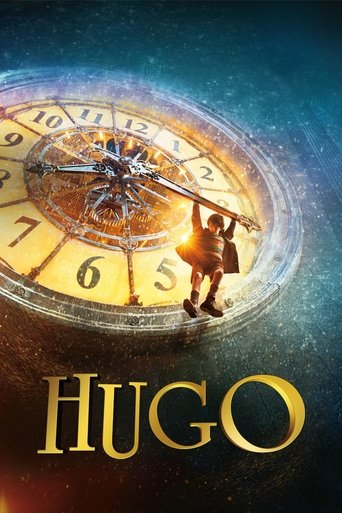 HDHugo2011 · ★ 7.2
 HDHachi: A Dog's Tale2009 · ★ 8.0
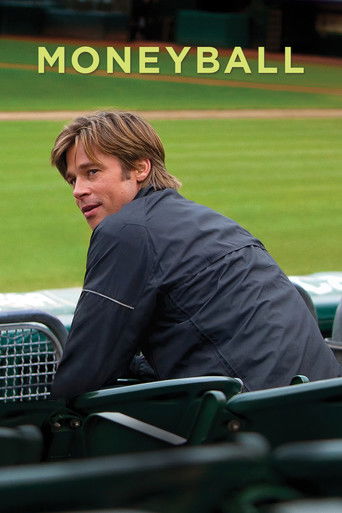 HDMoneyball2011 · ★ 7.3
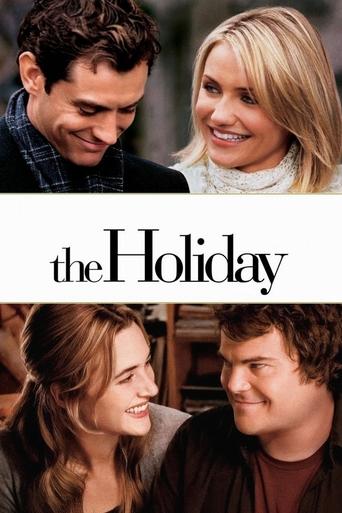 HDThe Holiday2006 · ★ 7.1
 HDMarley & Me2008 · ★ 7.2
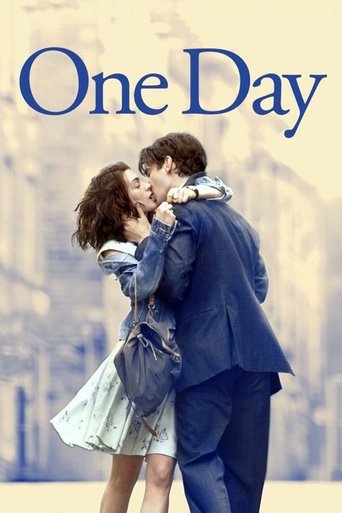 HDOne Day2011 · ★ 7.4
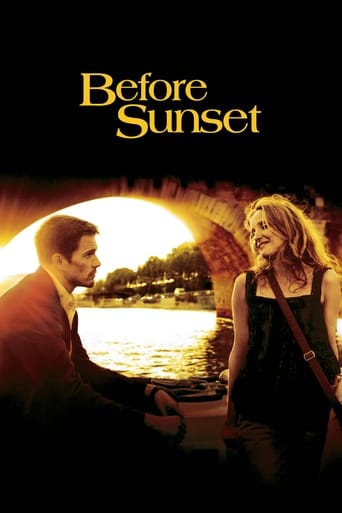 HDBefore Sunset2004 · ★ 7.8
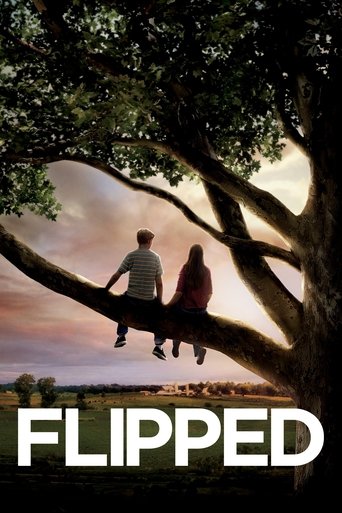 HDFlipped2010 · ★ 8.0
Romance
The decade of the romantic comedy
HDA Beautiful Mind2001 · ★ 7.9 HDYes Man2008 · ★ 6.7
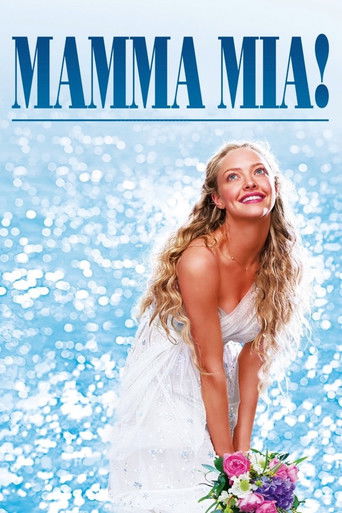 HDMamma Mia!2008 · ★ 7.0
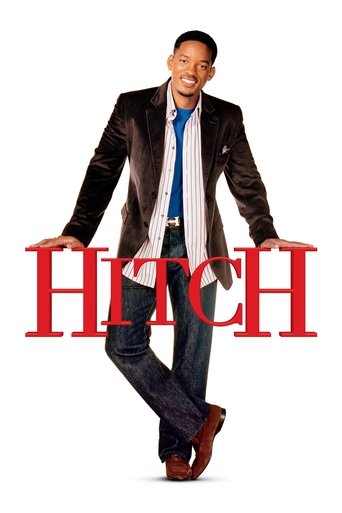 HDHitch2005 · ★ 6.6
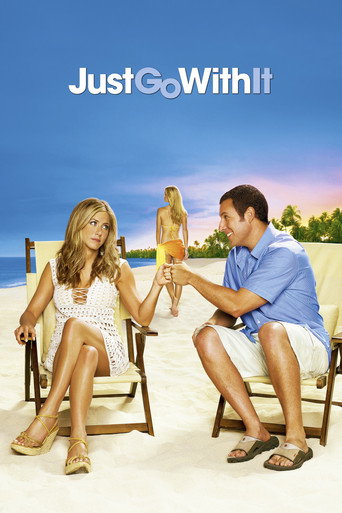 HDJust Go with It2011 · ★ 6.7HDThe Holiday2006 · ★ 7.1
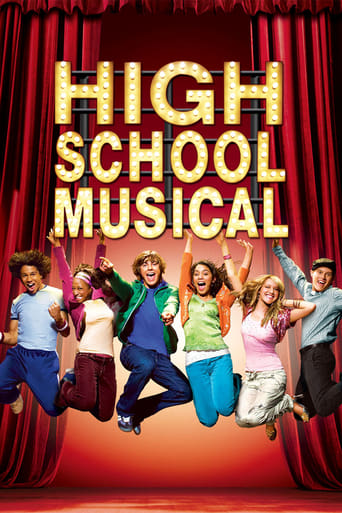 HDHigh School Musical2006 · ★ 6.5HDOne Day2011 · ★ 7.4
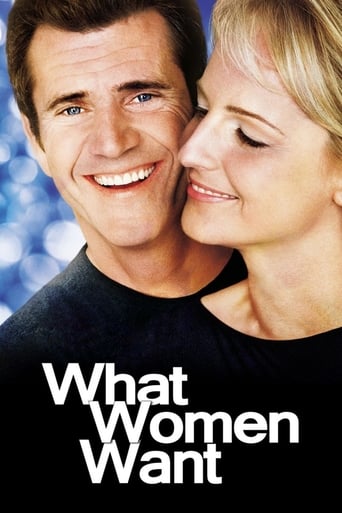 HDWhat Women Want2000 · ★ 6.5
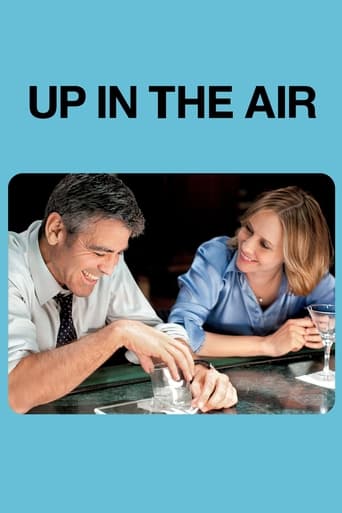 HDUp in the Air2009 · ★ 6.9HDBefore Sunset2004 · ★ 7.8
 HD27 Dresses2008 · ★ 6.5
Family night
Films for every age
HDHugo2011 · ★ 7.2HDHachi: A Dog's Tale2009 · ★ 8.0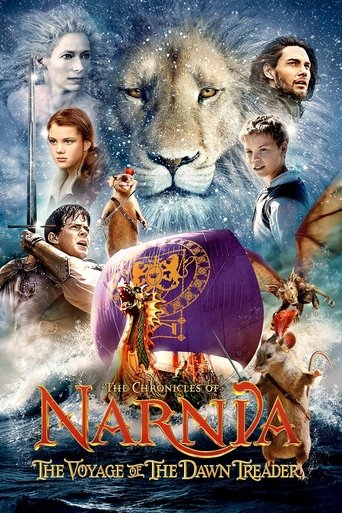 HDThe Chronicles of Narnia: The Voyage of the Dawn Treader2010 · ★ 6.4
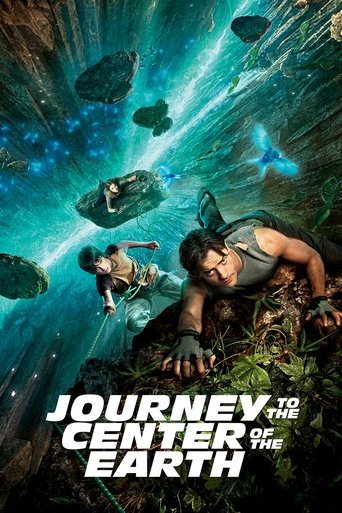 HDJourney to the Center of the Earth2008 · ★ 6.1HDMarley & Me2008 · ★ 7.2HDHigh School Musical2006 · ★ 6.5
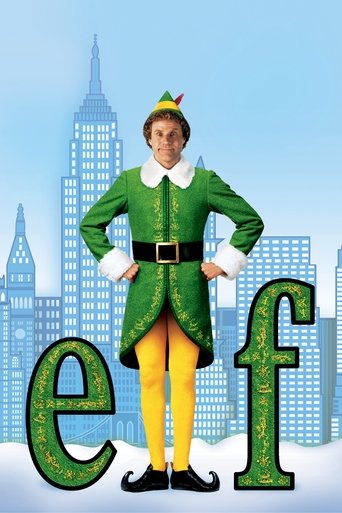 HDElf2003 · ★ 6.7
 HDHigh School Musical 22007 · ★ 6.5
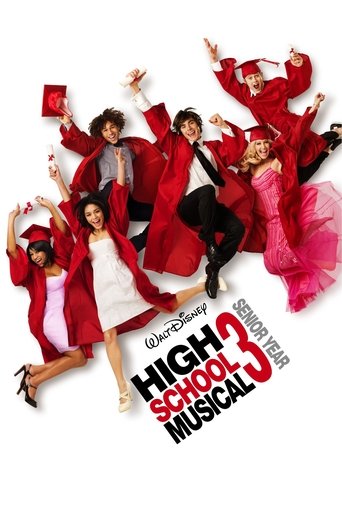 HDHigh School Musical 3: Senior Year2008 · ★ 6.5
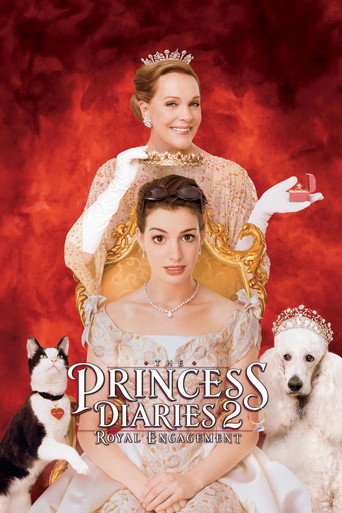 HDThe Princess Diaries 2: Royal Engagement2004 · ★ 6.7
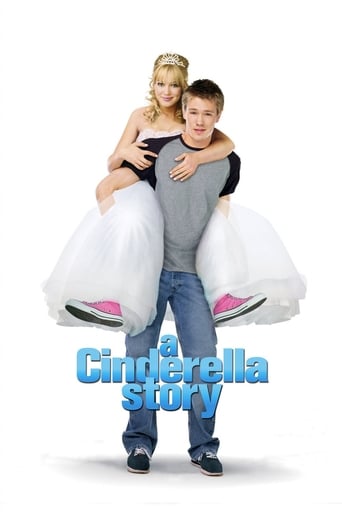 HDA Cinderella Story2004 · ★ 6.6
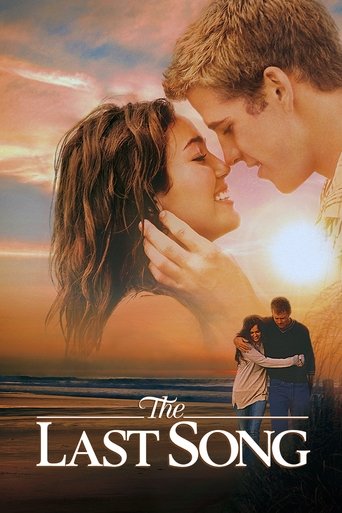 HDThe Last Song2010 · ★ 7.2
True stories
Real lives on screen
HDThe Social Network2010 · ★ 7.4HDA Beautiful Mind2001 · ★ 7.9HDMoneyball2011 · ★ 7.3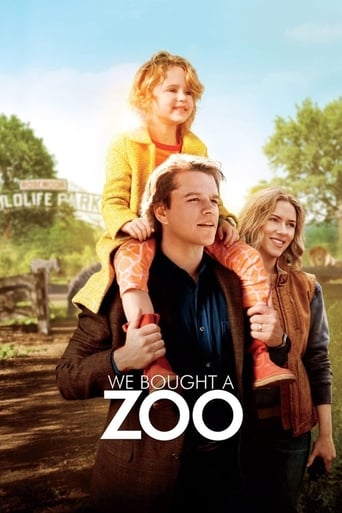 HDWe Bought a Zoo2011 · ★ 6.8
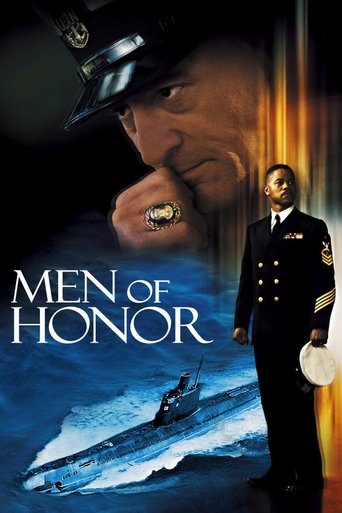 HDMen of Honor2000 · ★ 7.5
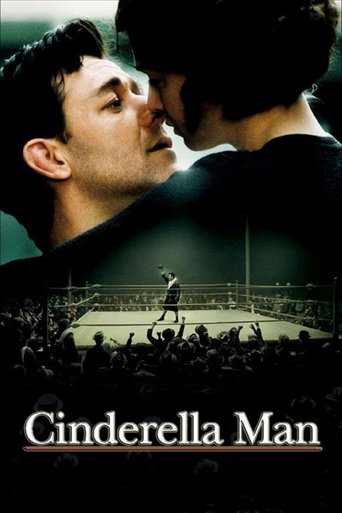 HDCinderella Man2005 · ★ 7.6
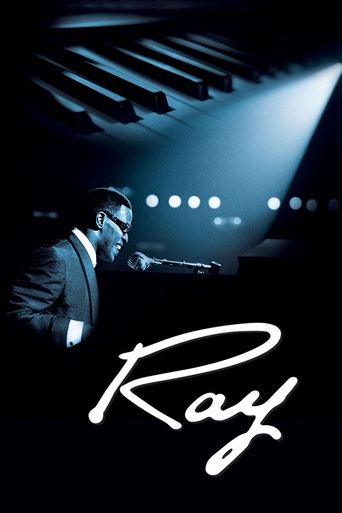 HDRay2004 · ★ 7.5
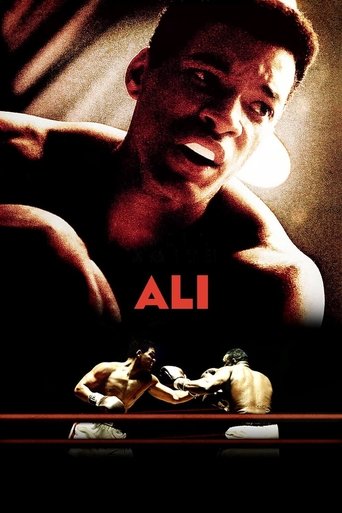 HDAli2001 · ★ 6.7
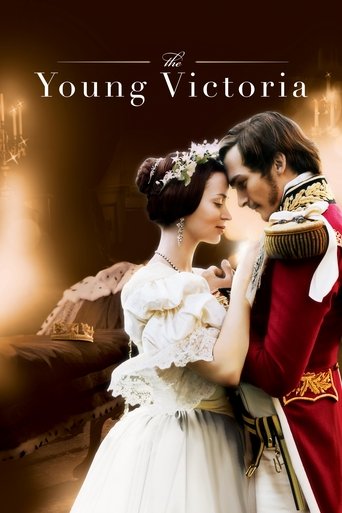 HDThe Young Victoria2009 · ★ 7.2
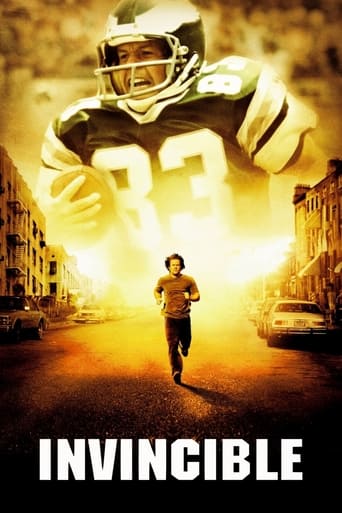 HDInvincible2006 · ★ 7.0
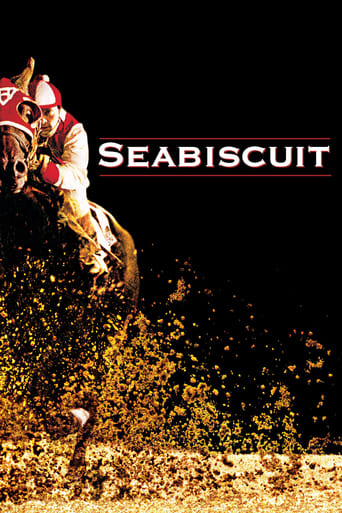 HDSeabiscuit2003 · ★ 7.1
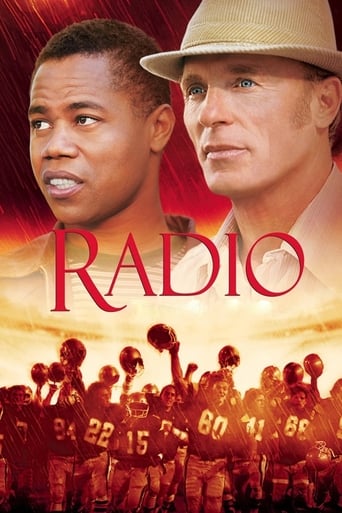 HDRadio2003 · ★ 7.4
Music
Musicals, bands and dancers
HDMamma Mia!2008 · ★ 7.0HDHigh School Musical2006 · ★ 6.5HDHigh School Musical 22007 · ★ 6.5HDHigh School Musical 3: Senior Year2008 · ★ 6.5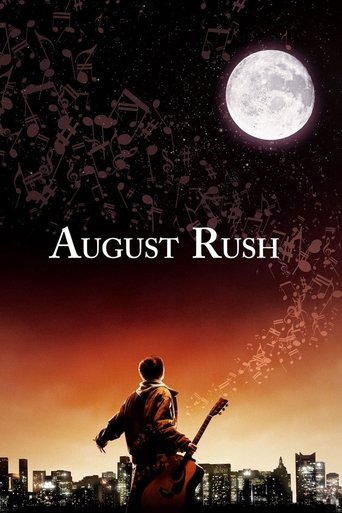 HDAugust Rush2007 · ★ 7.4HDRay2004 · ★ 7.5
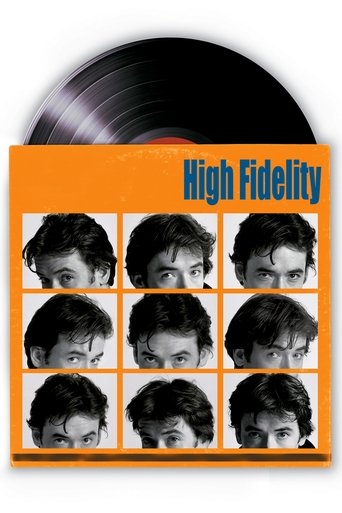 HDHigh Fidelity2000 · ★ 7.1
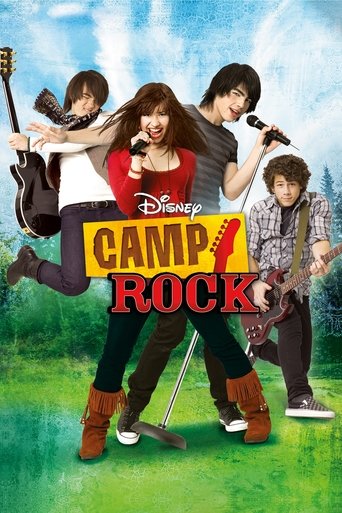 HDCamp Rock2008 · ★ 6.4
 HDAnother Cinderella Story2008 · ★ 7.3
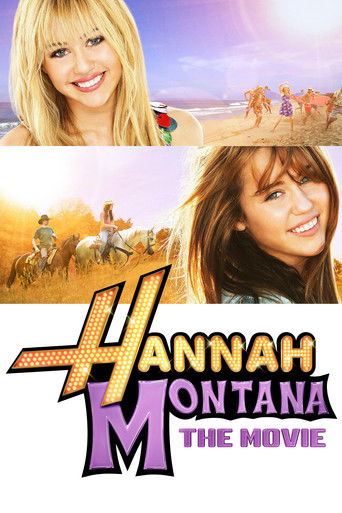 HDHannah Montana: The Movie2009 · ★ 6.6
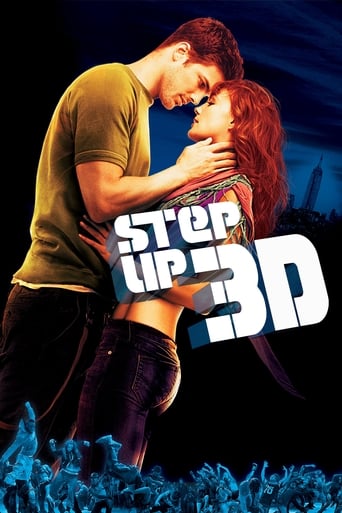 HDStep Up 3D2010 · ★ 6.8
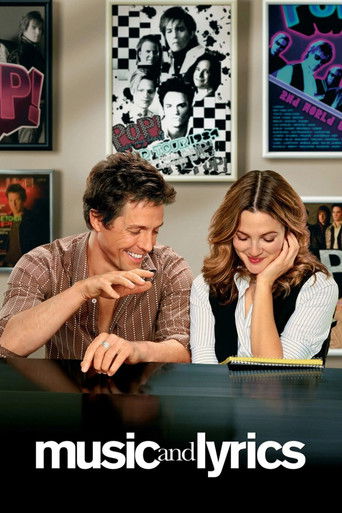 HDMusic and Lyrics2007 · ★ 6.4
Sport
Underdogs and champions
 HD
HD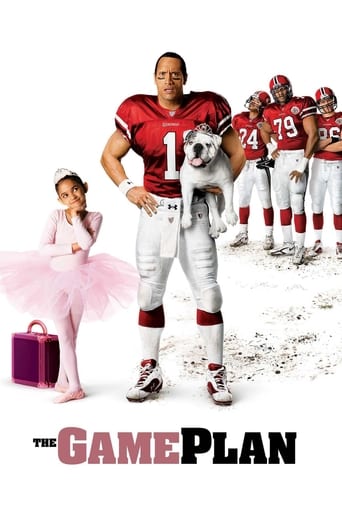 HD
HD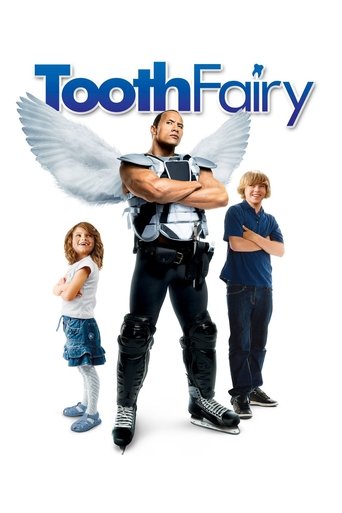 HD
HD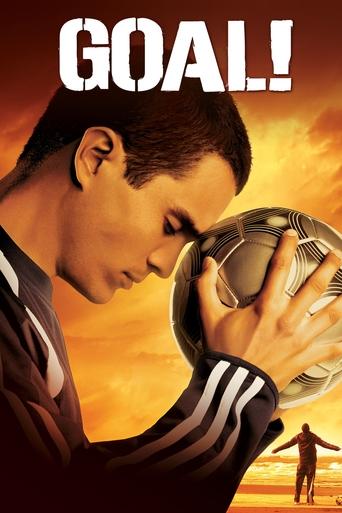 HD
HD HD
HD HD
HD HD
HD HD
HDAnimal stories
Dogs, penguins and a spider
 HDKing Kong2005 · ★ 6.9HDHachi: A Dog's Tale2009 · ★ 8.0
 HDThe Golden Compass2007 · ★ 6.1HDMarley & Me2008 · ★ 7.2
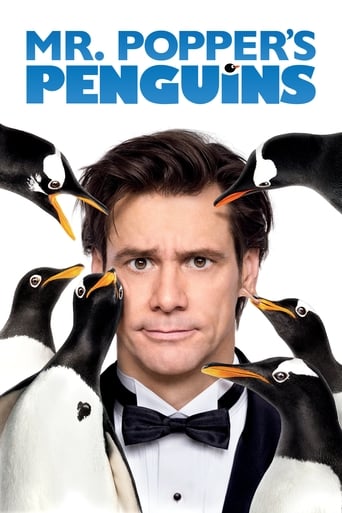 HDMr. Popper's Penguins2011 · ★ 6.0HDWe Bought a Zoo2011 · ★ 6.8
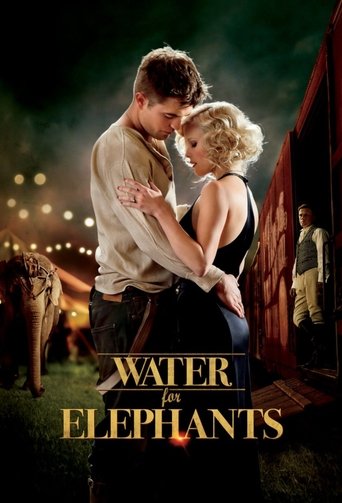 HDWater for Elephants2011 · ★ 6.9
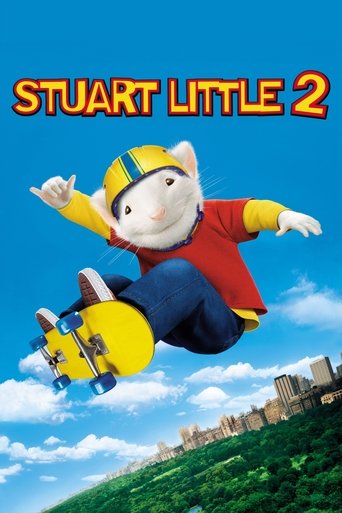 HDStuart Little 22002 · ★ 5.8
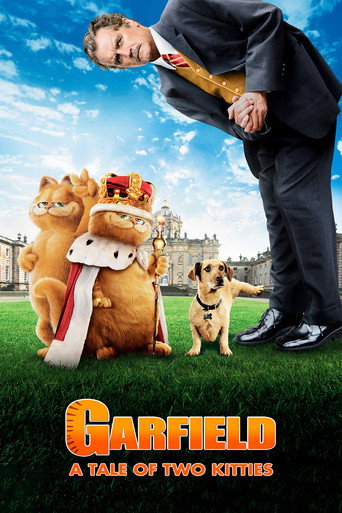 HDGarfield: A Tail of Two Kitties2006 · ★ 5.6
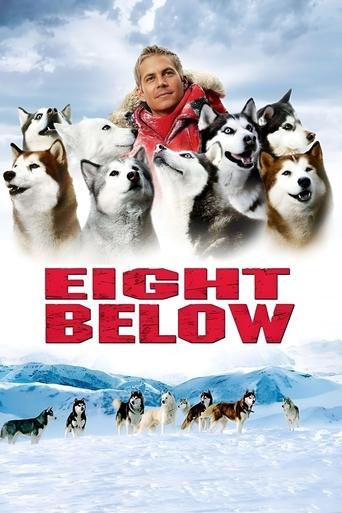 HDEight Below2006 · ★ 7.0
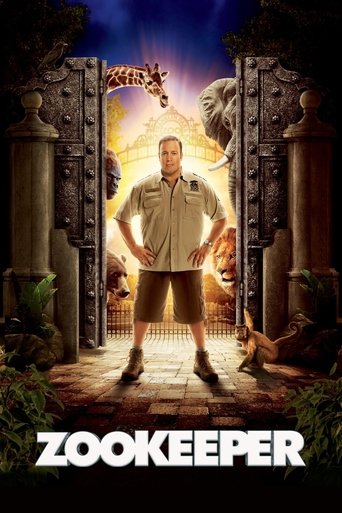 HDZookeeper2011 · ★ 5.4
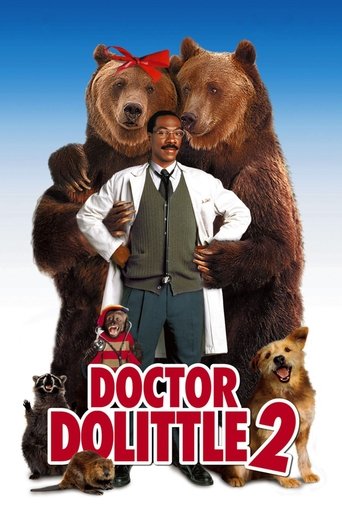 HDDr. Dolittle 22001 · ★ 5.3
Christmas
Films for December
HDThe Holiday2006 · ★ 7.1HDElf2003 · ★ 6.7 HDJust Friends2005 · ★ 6.2
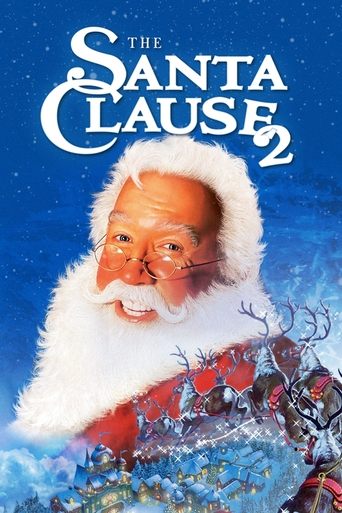 HDThe Santa Clause 22002 · ★ 6.0
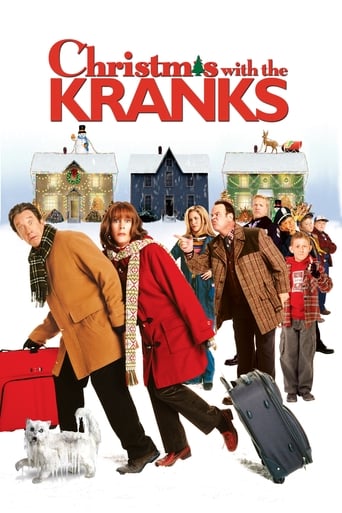 HDChristmas with the Kranks2004 · ★ 6.2
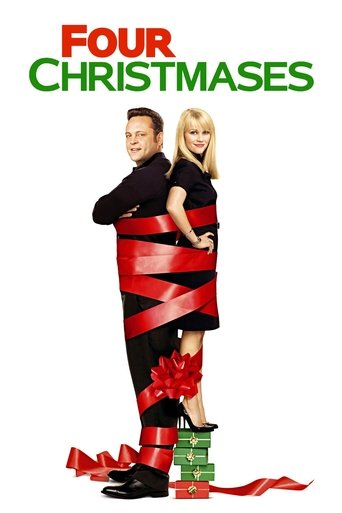 HDFour Christmases2008 · ★ 5.8
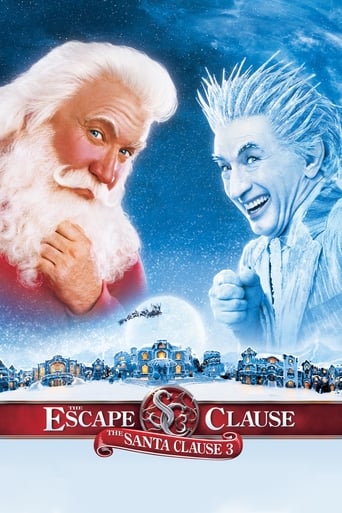 HDThe Santa Clause 3: The Escape Clause2006 · ★ 5.6
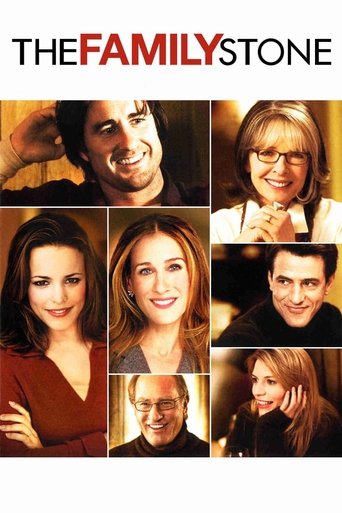 HDThe Family Stone2005 · ★ 6.3
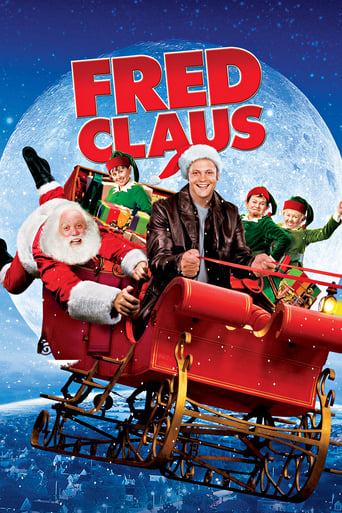 HDFred Claus2007 · ★ 5.9
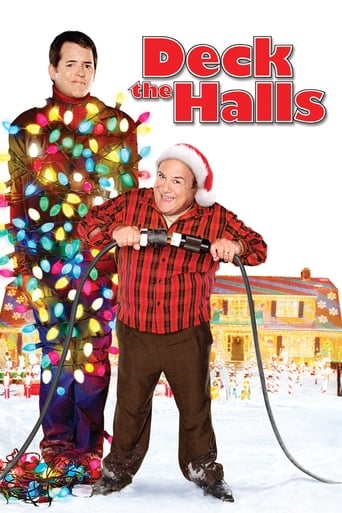 HDDeck the Halls2006 · ★ 5.6
2000 to 2003
The decade opens
HDA Beautiful Mind2001 · ★ 7.9HDElf2003 · ★ 6.7HDWhat Women Want2000 · ★ 6.5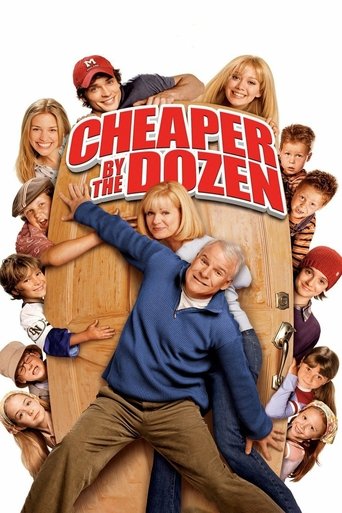 HDCheaper by the Dozen2003 · ★ 6.3
 HDThe Time Machine2002 · ★ 6.4HDMen of Honor2000 · ★ 7.5HDStuart Little 22002 · ★ 5.8
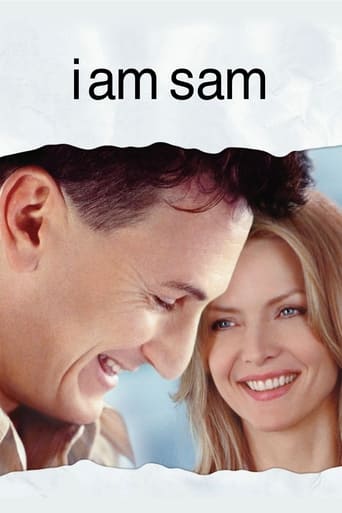 HDI Am Sam2001 · ★ 7.6
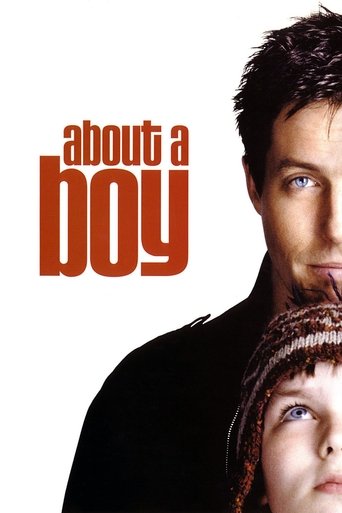 HDAbout a Boy2002 · ★ 6.7
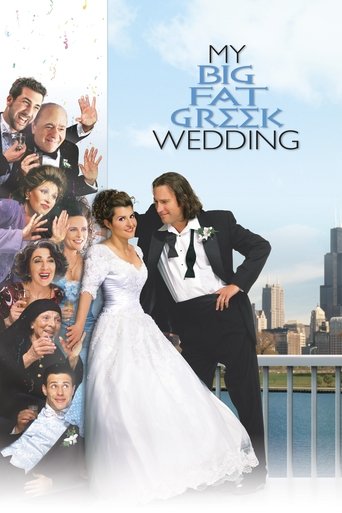 HDMy Big Fat Greek Wedding2002 · ★ 6.5
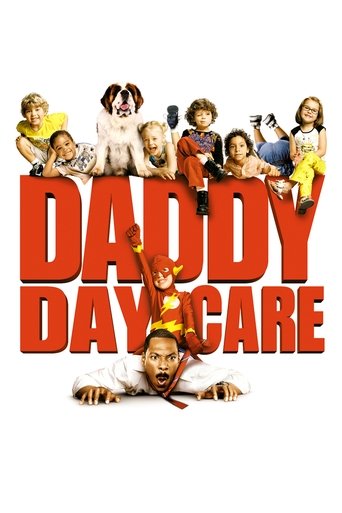 HDDaddy Day Care2003 · ★ 5.9HDHigh Fidelity2000 · ★ 7.1
2004 to 2007
The middle years
HDThe Terminal2004 · ★ 7.4HDKing Kong2005 · ★ 6.9HDLittle Miss Sunshine2006 · ★ 7.7HDHitch2005 · ★ 6.6HDThe Holiday2006 · ★ 7.1HDThe Golden Compass2007 · ★ 6.1HDHigh School Musical2006 · ★ 6.5HDBefore Sunset2004 · ★ 7.8HDHigh School Musical 22007 · ★ 6.5HDThe Princess Diaries 2: Royal Engagement2004 · ★ 6.7HDA Cinderella Story2004 · ★ 6.6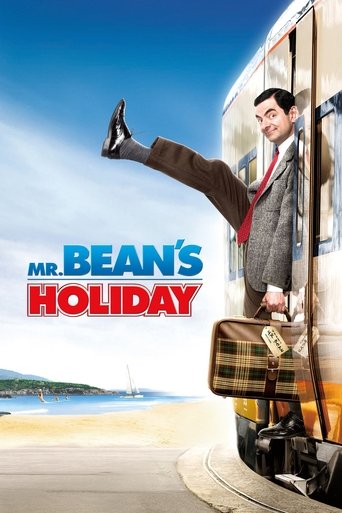 HDMr. Bean's Holiday2007 · ★ 6.4
2008 to 2011
The decade closes
HDThe Social Network2010 · ★ 7.4HDHugo2011 · ★ 7.2HDYes Man2008 · ★ 6.7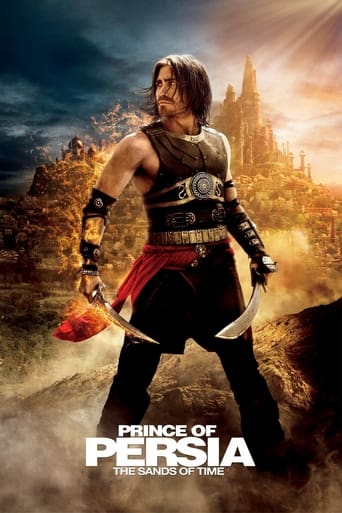 HDPrince of Persia: The Sands of Time2010 · ★ 6.3HDHachi: A Dog's Tale2009 · ★ 8.0HDMamma Mia!2008 · ★ 7.0HDJust Go with It2011 · ★ 6.7HDThe Chronicles of Narnia: The Voyage of the Dawn Treader2010 · ★ 6.4HDMoneyball2011 · ★ 7.3
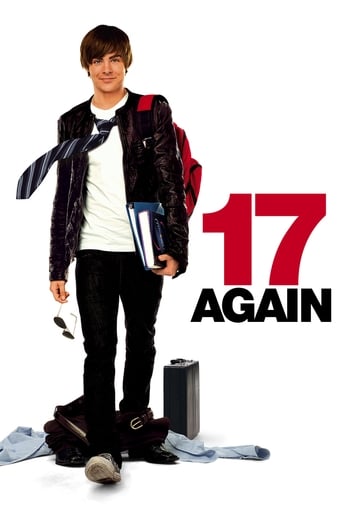 HD17 Again2009 · ★ 6.3HDJourney to the Center of the Earth2008 · ★ 6.1HDMarley & Me2008 · ★ 7.2
The Flixtrz guide to the movies of the 2000s
Flixtrz: movies of the 2000s, from A Beautiful Mind, Elf and Little Miss Sunshine to The Holiday, Mamma Mia!, The Social Network and Hugo
Flixtrz is devoted to a single stretch of film history: the twelve years from 2000 to 2011. It lists 171 films from that period, made by 152 directors, with a combined running time of 305 hours. These were the years when a film was something you owned on a disc, when a romantic comedy with two stars opened almost every month, and when a television channel for teenagers could launch a musical that the whole world sang. Every film here has a page with its cast, its director, a short summary, its rating and a button that leads to the official services where it can be watched today.
The shape of the catalogue follows the taste of the time. A hundred and twelve films are comedies, eighty-nine are dramas and eighty-one are love stories. Sixty-two suit family viewing and forty involve adventure, fantasy or time travel. Twenty-six turn on a sport, twenty are true stories, twenty are carried by music, twenty give a leading part to an animal, twenty are teen favourites and ten belong to Christmas. Forty films date from 2000 to 2003, sixty-one from 2004 to 2007 and seventy from 2008 to 2011. Thirty-seven hold an audience rating of seven or higher.
The Watch now button opens JustWatch for the country you choose and shows the subscription, rental, purchase and free services that carry the film there. Flixtrz itself is a guide: it describes, sorts and points the way. The how to watch page explains the steps in a few lines.
What the 2000s looked like
Seen from today, the cinema of the 2000s has a flavour of its own. The decade began with the DVD at its height. Studios earned as much from discs as from tickets, and that second income paid for a kind of film that has since grown rare on the big screen: the mid-budget story about ordinary people, built around one or two well-liked actors. A romantic comedy, a family comedy or an inspirational drama could cost a modest sum, play for two months and then live for years on a shelf at home. Most of the films on Flixtrz belong to that comfortable middle.
It was also the last decade before the telephone in every pocket changed how stories work. Characters in these films miss each other at airports, leave messages on answering machines, write letters and wait. Serendipity depends on a phone number written inside a second-hand book; The Lake House depends on a letterbox. A viewer today may smile at the flip phones and the chunky laptops, and then notice how much suspense and romance those small obstacles made possible. By the time of The Social Network in 2010, the new world had arrived and cinema was telling the story of its birth.
Three currents run through the catalogue. The first is the romantic comedy at its commercial peak, with Hugh Grant, Julia Roberts, Jennifer Lopez, Reese Witherspoon, Matthew McConaughey and Katherine Heigl as its regular faces. The second is the true story of courage, usually set on a playing field: studios, Disney above all, found that audiences loved a real underdog. The third is the teenage musical, reborn on the Disney Channel in 2006 and soon filling cinemas. The home page gives each current a row of its own, and the finding titles page lists every route into the catalogue.
2000 to 2003
Forty films open the decade. The first year sets the tone with What Women Want, in which an advertising man, played by Mel Gibson, suddenly hears the private thoughts of every woman around him; it was directed by Nancy Meyers, who became the leading maker of grown-up romantic comedy. High Fidelity moved Nick Hornby's novel from London to Chicago and put John Cusack behind the counter of a record shop, ranking his heartbreaks in lists of five. Best in Show, Christopher Guest's affectionate mock documentary about a championship dog show, is among the funniest films of its time, largely improvised by its cast.
The same year offered three gentle dramas. Pay It Forward follows a schoolboy whose class project is to do three good deeds and ask each person to do three more. Men of Honor tells the true story of Carl Brashear, the first African American master diver of the United States Navy, with Cuba Gooding Jr. and Robert De Niro. In The Kid, Bruce Willis plays an image consultant who meets himself at the age of eight and has to explain where the dog and the pilot's licence of his childhood plans have gone.
In 2001 came A Beautiful Mind, Ron Howard's portrait of the mathematician John Nash, with Russell Crowe in the part; it won four Academy Awards, best picture and best director among them. I Am Sam gave Sean Penn the role of a father with a learning disability fighting to raise his daughter, played by the seven-year-old Dakota Fanning, to a soundtrack of Beatles songs. The Majestic, from the director Frank Darabont, washes a Hollywood screenwriter of the 1950s onto the beach of a small town that takes him for a lost son and sets him to reopening its picture house. Ali has Will Smith as the heavyweight champion across ten turbulent years.
The romances of that year remain favourites: Serendipity, with its lost glove and its trust in fate; Kate & Leopold, which drops a duke of 1876, played by Hugh Jackman, into modern Manhattan; The Wedding Planner with Jennifer Lopez; and Sweet November, in which Charlize Theron gives Keanu Reeves one month to change his life. For pure silliness there is Rat Race, a dash from Las Vegas to New Mexico for two million dollars in a station locker.
The surprise of 2002 was My Big Fat Greek Wedding. Nia Vardalos wrote it from her own family life and played the lead; it cost about five million dollars, opened quietly, stayed in cinemas for most of a year and became the most successful romantic comedy ever released in North America. About a Boy gave Hugh Grant his best role, as an idle Londoner befriended by a twelve-year-old. About Schmidt sent Jack Nicholson across Nebraska in a motor home, and Sweet Home Alabama sent Reese Witherspoon back south to settle an old marriage. Maid in Manhattan, Stuart Little 2, Snow Dogs and a new The Time Machine, directed by a great-grandson of H. G. Wells, round out the year.
And 2003 gave the world Elf. Will Ferrell plays Buddy, a human raised at the North Pole who travels to New York to find his father; Jon Favreau directed it with old-fashioned stop-motion touches, and it joined the short list of true Christmas classics almost at once. The same year brought Seabiscuit, the story of an undersized racehorse who lifted American spirits in the 1930s, nominated for seven Academy Awards; Secondhand Lions, with Michael Caine and Robert Duvall as two eccentric uncles; Radio; Cheaper by the Dozen; and Girl with a Pearl Earring, which imagines how Vermeer came to paint his most famous picture. The whole period is on the 2000 to 2003 shelf.
2004 to 2007
Sixty-one films cover the middle of the decade. The Terminal is a good place to begin. Steven Spielberg built a full-size airport concourse inside a hangar and let Tom Hanks live in it as Viktor Navorski, a traveller whose country ceases to exist while he is in the air. Unable to enter America or to fly home, he makes a life among the gates, learns English from guidebooks and wins over the staff one by one. It is Spielberg at his lightest.
The same year held two films that could hardly be more different. Before Sunset returns to the couple of Before Sunrise nine years on; they meet in a Paris bookshop and have until his flight leaves, and the film runs in real time for eighty minutes of talk. Ray follows Ray Charles from a Florida childhood to the top of American music, and Jamie Foxx, who plays the piano himself throughout, won the Academy Award for best actor. Miracle recreates the American ice hockey team's victory over the Soviet Union at the Winter Olympics of 1980, with Kurt Russell as the coach Herb Brooks.
Peter Jackson's King Kong of 2005 is the giant of the catalogue in every sense: three hours long, with a twenty-five-foot gorilla performed by Andy Serkis and a 1930s New York rebuilt in the computer. It won three Academy Awards for its sound and effects. Cinderella Man reunited Ron Howard and Russell Crowe for the true story of James J. Braddock, a boxer of the Depression who came back from the breadline to fight for the world title. The World's Fastest Indian gave Anthony Hopkins one of his sunniest parts as Burt Munro, the New Zealander who took a home-tuned motorcycle to the salt flats of Utah and set a record in his sixties.
Hitch was the romantic comedy of that year, with Will Smith as a New York date doctor who coaches shy men and then loses his own composure. Around it stand The Wedding Date, Just Friends, The Family Stone with its crowded Christmas table, and Little Manhattan, a rare film about first love at the age of ten, told with complete seriousness by its young hero.
Then came 2006 and a yellow Volkswagen bus. Little Miss Sunshine sends the Hoover family eight hundred miles to California so that seven-year-old Olive can compete in a children's pageant; the clutch fails on the first day, so they must push the bus and jump aboard. It won Academy Awards for its screenplay and for Alan Arkin as the grandfather, and it is among the highest-rated films on Flixtrz. The Holiday, from Nancy Meyers, swaps a cottage in Surrey for a mansion in Los Angeles and gives Kate Winslet, Cameron Diaz, Jude Law and Jack Black a Christmas that surprises all four.
That January, a film made for television changed the lives of a generation of children. High School Musical introduced Troy, the basketball captain, and Gabriella, the science student, who audition together for the school show. Its soundtrack became the best-selling album of the year in America, and two sequels followed. The same year produced four true sports stories, Invincible, Glory Road, We Are Marshall and the dance film Take the Lead, along with Charlotte's Web, Eight Below and The Lake House.
The middle years close in 2007 with August Rush, a musical fairy tale about a boy who believes his parents will hear him if he plays; The Golden Compass, with its armoured polar bears and an Academy Award for visual effects; Music and Lyrics, in which Hugh Grant is a faded pop star of the 1980s and Drew Barrymore the woman who waters his plants and writes his words; Mr. Bean's Holiday, which takes Rowan Atkinson to the Cannes Film Festival by accident; and The Game Plan, where Dwayne Johnson is a quarterback who opens his door to a daughter he has just learned about. The 2004 to 2007 shelf holds all sixty-one.
2008 to 2011
The last four years are the fullest, with seventy films. The summer of 2008 belonged to Mamma Mia!. Meryl Streep, Pierce Brosnan, Colin Firth and Amanda Seyfried sing the songs of ABBA on a Greek island in a story about a bride with three possible fathers, and audiences answered by dancing in the aisles; in Britain it became the most successful film the country had seen up to that time. Marley & Me, released that Christmas, follows a young couple and a wildly disobedient Labrador across thirteen years, and few viewers reach the end with dry eyes.
The films of 2009 show the range of the period. Up in the Air gives George Clooney the part of a man who lives in airports and aims to collect ten million frequent-flyer miles; Jason Reitman's film was nominated for six Academy Awards. Julie & Julia, the last film of Nora Ephron, cuts between Meryl Streep as the television cook Julia Child in 1950s Paris and Amy Adams as a New Yorker cooking her way through Child's book in a year. Hachi: A Dog's Tale retells the Japanese story of the dog who waited at a railway station each day for his master, with Richard Gere, and its rating is among the highest on the site.
From Britain in the same year came The Young Victoria, with Emily Blunt as the queen in the first years of her reign, and The Damned United, with Michael Sheen as the football manager Brian Clough during his forty-four days at Leeds United. Where the Wild Things Are turned a picture book of ten sentences into a tender and unusual feature, and Away We Go sent an expectant couple around North America in search of a home.
The Social Network of 2010 tells how a Harvard student built a website in his dormitory and became the youngest billionaire in the world, losing his closest friend along the way. David Fincher directed from a script by Aaron Sorkin, whose dialogue moves at the speed of thought, and the film won three Academy Awards. At the other end of the scale, Rob Reiner's Flipped watches a girl and a boy across the road change their minds about each other between the ages of seven and thirteen, telling each scene twice, once from each side.
The year 2011 closes the catalogue in style. Martin Scorsese's Hugo is set in a Paris railway station in 1931, where an orphan who winds the clocks uncovers the forgotten film pioneer Georges Méliès; it won five Academy Awards and is a love letter to the invention of cinema. Moneyball has Brad Pitt as Billy Beane, the baseball manager who rebuilt the Oakland Athletics with statistics and won twenty games in a row. The Muppets brought Kermit and company back to the screen and won the Academy Award for best song. We Bought a Zoo, One Day, Water for Elephants and Dolphin Tale complete a strong final year. All seventy are on the 2008 to 2011 shelf, and the year by year page picks four from each period.
The decade of the romantic comedy
Eighty-one films on Flixtrz are love stories, and most of them are romantic comedies in the classic mould: two people who are plainly right for each other, a reason they are kept apart, and ninety minutes of misunderstanding before the airport, the wedding or the rainy street. The 2000s produced these films in greater numbers than any decade before or since, and the best have been watched so often that their scenes are shared memories.
Certain actors were the genre's regulars. Jennifer Lopez is a planner who falls for a groom in The Wedding Planner and a hotel maid mistaken for a guest in Maid in Manhattan. Matthew McConaughey is the grown man still living with his parents in Failure to Launch. Reese Witherspoon chooses between New York and her roots in Sweet Home Alabama and dodges four family gatherings in Four Christmases. Katherine Heigl is the perpetual bridesmaid of 27 Dresses and the reluctant guardian of Life As We Know It. Anne Hathaway and Kate Hudson, best friends since childhood, book the same hotel for the same day in Bride Wars.
Nancy Meyers gave the form its most polished examples, What Women Want and The Holiday, with their beautiful kitchens and their grown-up conversations. Garry Marshall assembled half of Hollywood for Valentine's Day, a mosaic of couples across a single 14 February in Los Angeles. James L. Brooks brought his rueful wit to Spanglish and How Do You Know. And Adam Sandler took Jennifer Aniston to Hawaii as his pretend wife in Just Go with It.
The decade had a taste for romance that bends time. In Kate & Leopold a gentleman of the nineteenth century brings his manners to the twenty-first. In The Lake House a doctor and an architect live in the same glass house two years apart and write through its letterbox. The Time Traveler's Wife follows a marriage in which the husband slips through the years against his will and the wife keeps the calendar. Each uses its fantasy to say something simple about patience.
The quieter love stories have lasted best of all. Before Sunset contains little more than two people walking through Paris, and it is the highest-rated romance on the site. One Day visits its couple on the same date, 15 July, across twenty years. Like Crazy keeps a British student and an American apart with a visa problem and records what distance does to them. Serendipity, Sweet November, Nights in Rodanthe and The Last Song are there for an evening that calls for a handkerchief. The romantic comedies page sorts the shelf by mood, and the romance shelf holds all eighty-one.
Comedy
A hundred and twelve films are comedies. The star comedians of the decade each have a signature film here. Jim Carrey, as a man who has promised to agree to every offer, learns Korean, takes flying lessons and rides a motorcycle in a hospital gown in Yes Man, and later shares a New York flat with six birds in Mr. Popper's Penguins. Will Ferrell is the innocent of Elf and the over-eager football father of Kicking & Screaming. Eddie Murphy opens a nursery in Daddy Day Care and talks to the forest in Dr. Dolittle 2. Jack Black washes up among very small people in Gulliver's Travels, and Rowan Atkinson crosses France with a video camera in Mr. Bean's Holiday.
A second strand is the comedy of work, which the decade did with unusual warmth. In In Good Company a veteran salesman finds himself reporting to a boss half his age, who then falls for his daughter. Morning Glory hands a failing breakfast show to a tireless young producer, played by Rachel McAdams, and a grand old newsman, played by Harrison Ford, who would rather be anywhere else. The Nanny Diaries studies the rich of Manhattan from the nursery, Larry Crowne sends Tom Hanks back to college, and Up in the Air finds bittersweet comedy in the life of a man paid to deliver bad news.
Then there are the comedies that critics loved as much as audiences. Little Miss Sunshine and About a Boy are funny from first scene to last and leave a lump in the throat. Best in Show invents five sets of dog owners so precisely observed that viewers swear they have met them. High Fidelity is the definitive portrait of the music obsessive. Julie & Julia makes cooking look like joy, and Away We Go makes parenthood look like an adventure worth planning. The comedy page picks a dozen to start with.
Family comedy fills the remainder of the shelf: twelve children under one roof in Cheaper by the Dozen and its sequel, a rented motor home in RV, a new house that needs everything fixed in Are We Done Yet?, a couple and their impossible upstairs tenant in Duplex, and two neighbours competing over Christmas lights in Deck the Halls. They ask little of the viewer and give a good deal back.
Family night
Sixty-two films suit the whole household. Many began as books that children already loved. Charlotte's Web brings E. B. White's barn to life, with Dakota Fanning as Fern and a spider who writes words in her web to save a pig. Inkheart, from Cornelia Funke's novel, imagines a father who can read characters out of their stories and into the room. Diary of a Wimpy Kid and its sequel, Diary of a Wimpy Kid: Rodrick Rules, turn Jeff Kinney's cartoon journals into live action, and Ramona and Beezus gives Beverly Cleary's irrepressible nine-year-old her first film. Where the Wild Things Are and The Chronicles of Narnia: The Voyage of the Dawn Treader carry young readers further from home.
Others were made to astonish. Hugo is a family film by one of the greatest directors alive, shot in 3D with the care of a watchmaker. King Kong is best kept for older children, who will remember the dinosaur stampede and the sunrise on the Empire State Building. Journey to the Center of the Earth of 2008 was among the first live-action features shot in modern digital 3D, and The Adventures of Sharkboy and Lavagirl was dreamed up, quite literally, by the director's seven-year-old son.
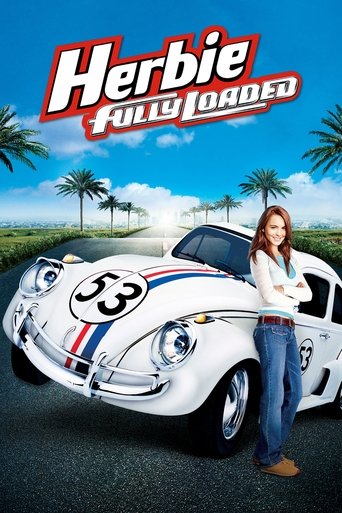
The reliable pleasures are here too: Dwayne Johnson with fairy wings in Tooth Fairy, Lindsay Lohan at the wheel of a Volkswagen with a mind of its own in Herbie Fully Loaded, a mouse with a biplane in Stuart Little 2, a cat in a castle in Garfield: A Tail of Two Kitties, and Tim Allen in the red suit for The Santa Clause 2 and The Santa Clause 3: The Escape Clause. Secondhand Lions and August Rush suit an evening when the family wants a proper story. The family page arranges the shelf by age.
Teen favourites and the Disney Channel
Twenty films were made for viewers between ten and sixteen, and they capture a moment. In January 2006 the Disney Channel broadcast High School Musical, directed and choreographed by Kenny Ortega, and within weeks its songs were everywhere. High School Musical 2 moved the cast to a country club for the summer and drew one of the largest audiences in the history of cable television. High School Musical 3: Senior Year took the story to cinemas for graduation. Zac Efron, Vanessa Hudgens and Ashley Tisdale became household names.
The channel repeated the formula with new faces. Camp Rock introduced Demi Lovato alongside the Jonas Brothers. Princess Protection Program paired Lovato with Selena Gomez as a royal in hiding and the Louisiana girl who shelters her. Starstruck sets a pop idol against a girl from Michigan who is entirely unimpressed by him, and Lemonade Mouth forms a band out of five pupils who meet in detention. Miley Cyrus took her double life to the cinema in Hannah Montana: The Movie, and Hilary Duff took hers to Rome in The Lizzie McGuire Movie.
Cinderella was the decade's favourite pattern. In A Cinderella Story the slipper is a mobile phone and the ball is a school dance. Another Cinderella Story makes it a music player and a dance contest, and A Cinderella Story: Once Upon a Song a singing voice. The Prince & Me sends a real Danish prince to a Wisconsin university, What a Girl Wants sends an American teenager to find her aristocratic English father, and Monte Carlo hands three friends from Texas a week of mistaken identity on the Riviera.
The films about friendship are the ones that grown-up viewers return to. The Sisterhood of the Traveling Pants follows four friends through their first summer apart, joined by a pair of jeans that fits them all, and The Sisterhood of the Traveling Pants 2 rejoins them at college. Whip It, directed by Drew Barrymore, finds a Texan teenager her tribe on a roller-derby track, and Ice Princess lets a gifted physics student trade Harvard for the rink. The teen favourites page has the full list.
Animal stories
Twenty films give a leading part to a creature, and dogs lead the pack. Hachi: A Dog's Tale and Marley & Me are the two great weepies of the shelf, one about loyalty, one about family. Eight Below tells of eight sled dogs left to fend for themselves through an Antarctic winter and the guide who goes back for them. Snow Dogs hands a Miami dentist a team of huskies, Beverly Hills Chihuahua loses a pampered pet in Mexico, and Marmaduke moves a Great Dane to California.
Dolphin Tale is based on the true story of Winter, a young dolphin rescued off Florida who learned to swim with an artificial tail; Winter plays herself. We Bought a Zoo is true as well, drawn from the memoir of a father who moved his children into a run-down wildlife park. Racing Stripes raises a zebra who believes he is a racehorse, Zookeeper lets the animals coach their keeper in courtship, and Water for Elephants joins a travelling circus in 1931. Seabiscuit and Charlotte's Web belong here as much as anywhere. The animal stories page groups them by species.
True stories
Twenty films are drawn from real lives, and the decade had a particular gift for them. The pattern was set by A Beautiful Mind: take a remarkable person, find the emotional centre of the life, and let a major actor disappear into the part. Jamie Foxx did it as Ray Charles in Ray, Will Smith as Muhammad Ali in Ali, Meryl Streep as Julia Child, Emily Blunt as the young queen in The Young Victoria, and Jesse Eisenberg as the founder of a social network in a film that its real subject is said to have watched with mixed feelings.
Some of the best are about people who were little known before the film. Men of Honor made Carl Brashear's name familiar far beyond the Navy. Gifted Hands: The Ben Carson Story follows a boy from a poor Detroit household, pushed by a mother who could barely read to borrow two library books a week, who became a pioneering surgeon. The Soloist tells of a newspaper columnist in Los Angeles who hears a homeless man playing a violin with two strings and learns that he once studied at the Juilliard School. Radio is the story of a high-school football coach in South Carolina and the young man with a learning disability whom he welcomes onto his team.
The lighter true stories are a pleasure of their own. The Terminal was inspired by a traveller who really lived for years in a Paris airport. The World's Fastest Indian treats its stubborn hero with such affection that the record run at Bonneville feels like a family triumph. We Bought a Zoo and Dolphin Tale prove that real events can supply a family film with everything it needs. The true stories page lists all twenty with the people behind them.
Sport
Twenty-six films turn on a game, a race or a fight, and most of them come from one remarkable run of inspirational dramas. Disney led the way. Miracle rebuilds the 1980 Olympic hockey team game by game. Glory Road tells how Texas Western College won the 1966 national basketball title with the first all-black starting five in a championship final. Invincible follows Vince Papale, a thirty-year-old bartender who attended an open trial and won a place with the Philadelphia Eagles. Warner Bros. answered with We Are Marshall, about a university and a town rebuilding a football programme after tragedy.
Individual champions have films as stirring. Cinderella Man is boxing as a family drama: Braddock fights so that his children can stay under one roof. Seabiscuit gives a horse, a jockey, a trainer and an owner one second chance each. Moneyball is the most original of them all, a baseball film that takes place largely in offices, about the courage it takes to trust numbers over habit. The Damned United is its British cousin, a portrait of a manager whose talent was matched by his pride.
Football of the round-ball kind has Goal!, which lifts a young Mexican player from a Los Angeles parish league to Newcastle United, and Goal II: Living the Dream, which transfers him to Real Madrid. Tennis has Wimbledon, with Paul Bettany as a fading British player on one last inspired run. American football has The Replacements, where a team of stand-ins gets its moment, and The Game Plan. Gymnastics has Stick It, figure skating Ice Princess, snowboarding Chalet Girl and motor racing Driven. The sport page sets them out by game.
Music
Twenty films sing, dance or follow a band. Mamma Mia! stands at the head of them, and its secret is that the cast, few of them trained singers, are so visibly enjoying themselves. The three High School Musical films brought the classic let's-put-on-a-show story to a new generation. The Muppets of 2011 has original songs by Bret McKenzie that would have suited the troupe at any point in its history, and Footloose of the same year revisits the 1984 hit with new dancers.
Musicians are the heroes of another group. Ray is the fullest of the biographies. August Rush treats music as a kind of magic that draws a family together across a city. The Soloist treats it as a refuge. In Music and Lyrics a song has to be written in a week, and the film includes a note-perfect parody of a 1980s pop video. The Rocker gives a drummer who was dropped by his band twenty years earlier a second chance with his nephew's group, and High Fidelity is about the people who only listen, though they do so with total dedication.
Dance has three films. Take the Lead is based on the work of Pierre Dulaine, who taught ballroom dancing in New York's public schools. Step Up 3D stages its street-dance battles with water, light suits and bubbles, designed for the depth of the format. Another Cinderella Story hides a tango inside a teen comedy. The music page suggests where to begin, and the music shelf holds all twenty.
Ten films worth discovering
The famous titles need little help, so this section is for the films that slipped past many viewers the first time. Flipped opened quietly in 2010 and has since built one of the warmest followings of any film of its year; it now shares the top of the ratings with far bigger productions. Little Manhattan is a miniature of the same kind, set among the playgrounds and karate classes of the Upper West Side. Secondhand Lions is a tall tale told on a Texas porch, with two of the finest actors of their generation plainly having fun.
Interstate 60 went almost straight to disc and found its audience there, passed from friend to friend. The Majestic was overlooked on release and rewards anyone who loves old picture houses. Frequently Asked Questions About Time Travel runs for eighty-three minutes and wastes hardly one of them. The World's Fastest Indian is the film that people recommend with the words trust me. In Good Company and Away We Go are modest, well-written comedies about decent people, and The Damned United is gripping even for viewers who have yet to watch a football match. Each is a press away on the Top rated shelf or through the search field.
Where the stories happen
The films of these years travelled widely, and the settings are part of their charm. New York is the capital of the romantic comedy: Hitch, Serendipity, Maid in Manhattan, 27 Dresses and Kate & Leopold all walk its avenues, and Elf sees the city through the eyes of a newcomer who thinks a revolving door is a fairground ride. Paris hosts Before Sunset, Hugo and half of Julie & Julia. Rome welcomes Lizzie McGuire, and When in Rome borrows coins from one of its fountains. London and the English countryside frame About a Boy, What a Girl Wants and The Holiday.
Further afield, Eat Pray Love spends a year in Italy, India and Bali. Mamma Mia! made a small Greek island a place of pilgrimage for its admirers. Eight Below reaches Antarctica, The World's Fastest Indian crosses from New Zealand to Utah, and Chalet Girl spends a season in the Austrian Alps. At home in America, the sports films move through Texas, West Virginia, Philadelphia and Oakland, and Little Miss Sunshine crosses the desert from New Mexico to the Californian coast. An evening with Flixtrz can also be a short holiday.
Adventure, fantasy and time travel
Forty films leave the everyday behind. The largest are the epics: King Kong on Skull Island, Prince of Persia: The Sands of Time with its dagger that turns back the clock, the third voyage to Narnia, and The Golden Compass with its talking animal companions. Inkheart and The Librarian: Quest for the Spear make heroes of people who love books, which is a pleasant change.
Time is the decade's favourite toy. The Time Machine travels eight hundred thousand years ahead. 17 Again returns a disappointed father, played by Matthew Perry, to his teenage body, played by Zac Efron, and lets him attend school alongside his own children. Frequently Asked Questions About Time Travel is a small British gem in which three friends find a time leak in the gents of their local pub. Interstate 60, written and directed by Bob Gale of Back to the Future, sends a young man down a highway that appears on few maps, where every town is a fable. The adventure page maps the shelf.
Christmas
Ten films belong to December. Elf comes first, as it does in most homes. The Holiday is the romantic choice, The Family Stone the one for viewers who know how tense a full house can be, and Four Christmases the one for those with complicated families. Christmas with the Kranks, from a novel by John Grisham, follows a couple who decide to skip the season and discover that the street has other ideas. Fred Claus introduces Santa's less saintly older brother, and Deck the Halls is a duel fought in fairy lights. The Christmas page puts all ten in order, and the Christmas shelf is one press away.
Drama
Eighty-nine films are dramas, and the ones that fit no other shelf deserve a mention. I Am Sam and Pay It Forward are built to move, and they succeed. Jersey Girl gives Ben Affleck a daughter and a new life in his father's New Jersey house. The Company Men follows three executives through the recession of 2008 and finds dignity in starting again. About Schmidt and Up in the Air are portraits of men taking stock, and Girl with a Pearl Earring is nearly wordless, lit like the paintings it describes. The drama page groups the shelf by theme.
Directors and stars
A hundred and fifty-two directors made these films, and several return. Ron Howard has A Beautiful Mind and Cinderella Man. Nancy Meyers has What Women Want and The Holiday. Garry Marshall has The Princess Diaries 2: Royal Engagement and Valentine's Day. Kenny Ortega directed all three High School Musical films. Paul Weitz made About a Boy with his brother Chris and In Good Company alone, and Chris Weitz went on to The Golden Compass. Among the great names with a single film are Steven Spielberg, Martin Scorsese, Peter Jackson, David Fincher, Michael Mann and Richard Linklater.
The actors are easier still to follow. Tom Hanks appears in The Terminal and Larry Crowne, which he also directed. Meryl Streep sings in one film and cooks in another. Keanu Reeves has three films and Cuba Gooding Jr. four, while Hugh Grant, Sandra Bullock, Will Smith and Reese Witherspoon each have two or more. Selena Gomez, Hilary Duff and Zac Efron grew up on screen across these years. Type any of these names into the search field in the header and the films appear at once.
Using Flixtrz
The header stays at the top of the screen as you scroll. It holds the name in red, the main links, a red-tinted pill that opens the top-rated shelf and a rounded search field. Under it, the home page opens with one featured film in a wide panel and continues with eleven rows. Each row has a title, a line of description and a See all button showing the size of its shelf, and its posters slide sideways under a finger or a mouse. A green HD mark sits in the corner of each poster, with the year and the rating beneath the title.
A film page shows the poster, the title, the year, the running time and the rating, then the director, the leading cast, the genres and the summary. Choose your country, press Watch now, and JustWatch opens with the services that offer the film there. The Add to My List button keeps a film for later; My List, reached from the header, shows what you have saved, each with a Remove button. The shortlist lives in your own browser on your own device, and the list page can save a copy as a file. The My List page describes each step.
Twelve evenings, twelve years
For a tour of the period, take one film from each year. Begin in 2000 with High Fidelity, then A Beautiful Mind for 2001 and My Big Fat Greek Wedding for 2002. Give 2003 to Elf, whatever the month. The Terminal stands for 2004 and Cinderella Man for 2005.
The second half begins with Little Miss Sunshine in 2006 and August Rush in 2007. Mamma Mia! is the only possible choice for 2008. Take Up in the Air for 2009, The Social Network for 2010 and finish with Hugo in 2011, a film about the first years of cinema to close a tour of some of its most recent. Twelve evenings will show how much variety those years held, and the rows on the home page will suggest what to see next.
Questions and answers
The questions below are those most often asked about Flixtrz, with short answers. Fuller help is on the help pages named throughout this guide, including the how to watch page.
Questions
What is Flixtrz?
Flixtrz is a guide to 171 films released between 2000 and 2011, each with its cast, its director and a Watch now button to official services.
Which years does it cover?
Twelve years, from 2000 to 2011, with forty films from 2000 to 2003, sixty-one from 2004 to 2007 and seventy from 2008 to 2011.
Which films are rated highest?
Thirty-seven films hold seven or more, among them Hachi: A Dog's Tale, Flipped, A Beautiful Mind, Before Sunset and Little Miss Sunshine.
Is the catalogue suitable for families?
Yes. The selection favours comedy, romance, family stories and uplifting drama, and sixty-two films sit on the Family shelf.
Are the High School Musical films here?
Yes. All three are listed, along with Camp Rock, Starstruck, Lemonade Mouth and other Disney Channel favourites.
Can I search by actor or director?
Yes. The search field in the header accepts a title, an actor, a director or a year and shows results as you type.
How does My List work?
Press Add to My List on a film page. The shortlist lives in your browser, and the list page can save a copy as a file.
Does Flixtrz host films?
Flixtrz is a guide only. Every Watch now button opens JustWatch, which lists the official streaming, rental and purchase services for your country.
